BSc Wildlife Ecology and Conservation Science

Wildlife Ecology and Conservation Science at UWE Bristol
The Wildlife Ecology and Conservation Science course at UWE Bristol combines strong scientific foundations with hands‑on experience in the field and laboratory. You explore how ecosystems function, why biodiversity matters, and how evidence‑based conservation can protect species and habitats in a rapidly changing world. Throughout the degree you develop practical skills, professional networks, and real‑world experience that directly support careers in conservation, ecological consultancy, research and environmental management.
Key themes you will study
- Ecology and ecosystems: population and community ecology, species interactions, food webs, habitat dynamics and landscape ecology.
- Biodiversity and species conservation: drivers of biodiversity loss, conservation genetics, protected areas, species recovery planning and reintroductions.
- Conservation management: habitat assessment, restoration ecology, invasive species control, monitoring programmes and adaptive management.
- Environmental change: climate change impacts, land‑use change, pollution, ecosystem services and nature‑based solutions.
- Research methods and data skills: experimental design, ecological statistics, GIS and remote sensing, survey design and scientific communication.
Typical modules (titles may vary):
- Principles of Ecology and Biodiversity
- Wildlife Conservation in Practice
- Field Techniques in Ecology
- Environmental Change and Sustainability
- Conservation Genetics and Population Biology
- GIS and Remote Sensing for Ecologists
- Habitat Management and Restoration
- Research Methods and Data Analysis
- Final‑Year Research Project in Wildlife Ecology
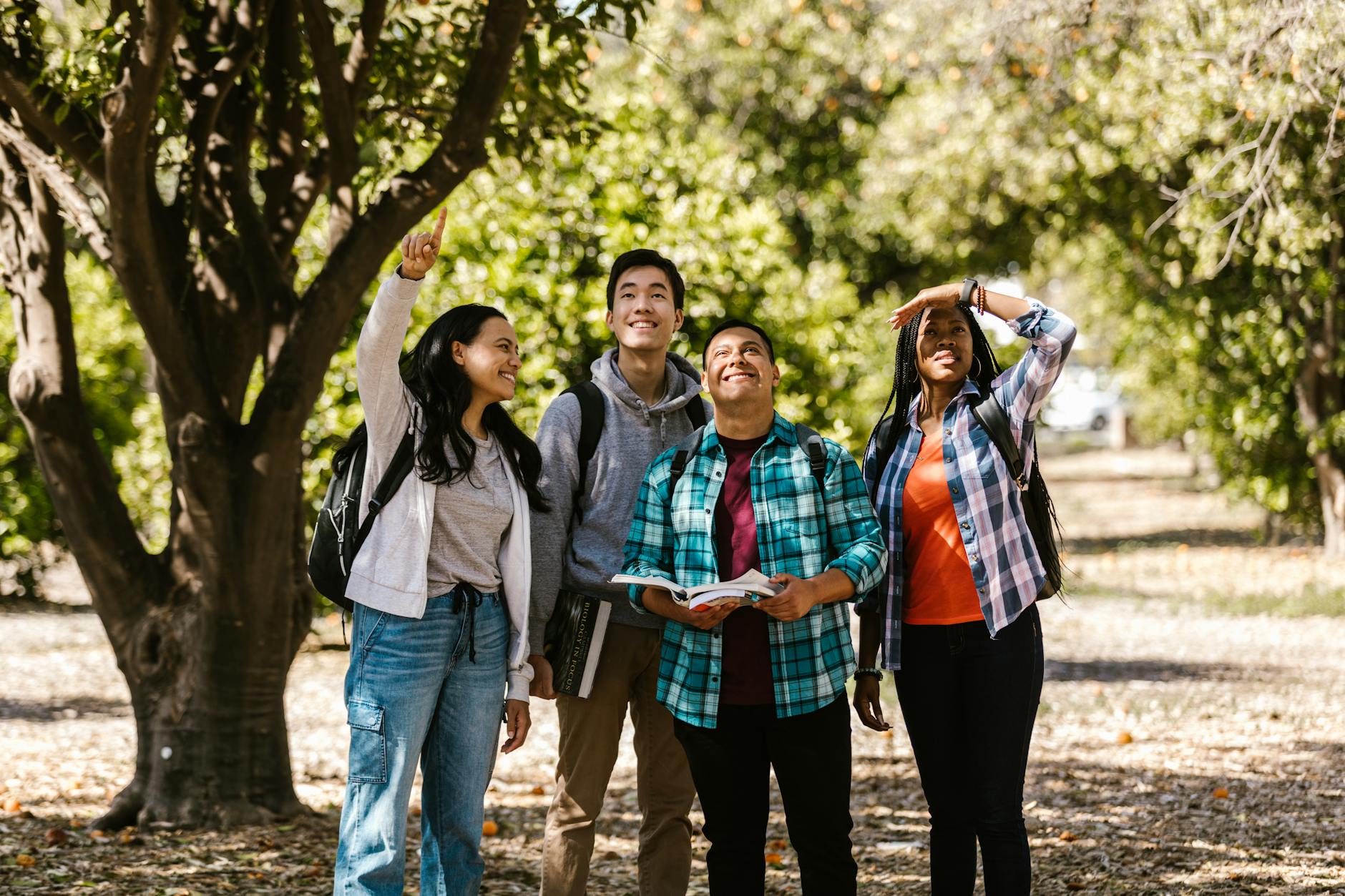
Field trips and real‑world experience
- Regular day trips to local nature reserves, wetlands, woodlands and coastal sites to practise survey and monitoring techniques.
- Intensive residential field courses where you design and carry out mini‑research projects in teams.
- Opportunities to collect data for real conservation partners, contributing to ongoing management plans and biodiversity monitoring.
- Exposure to a range of UK habitats, giving you a strong understanding of practical conservation challenges and solutions.
Laboratory and technical skills
- Use of modern ecology labs for species identification, microscopy, genetic and physiological analyses.
- Training in handling and analysing ecological datasets using statistical software and GIS.
- Experience with field equipment such as camera traps, GPS units, bat detectors, invertebrate sampling gear and vegetation survey tools.
- Development of rigorous data recording, quality control and health‑and‑safety practices essential for professional work.
Working with external partners
- Collaboration with conservation organisations, ecological consultancies, local authorities and environmental NGOs on live projects.
- Guest lectures and workshops from practitioners working in habitat management, species conservation and environmental policy.
- Opportunities for placements, volunteering and project work with partners such as wildlife trusts, conservation charities and government agencies.
- Networking events and employer‑led activities that help you understand current priorities and recruitment needs in the sector.
Employability and career preparation
- Practical field competence: graduates are confident in standard survey methods, habitat assessment, species identification and use of field equipment.
- Data and analytical skills: strong grounding in statistics, GIS and research design prepares you for evidence‑based decision‑making roles.
- Professional communication: practice in writing reports, presenting findings and communicating science to different audiences.
- Industry‑relevant experience: placements, live briefs and partner projects provide concrete examples for your CV and interviews.
- Career pathways: roles in wildlife and habitat conservation, ecological consultancy, environmental NGOs, government agencies, research organisations and further postgraduate study.

The BSc Wildlife Ecology and Conservation Science degree at UWE Bristol is designed for students who want to understand, protect and restore the natural world. You will explore how ecosystems work, how species interact, and how human activity affects wildlife and habitats. From your first year, you will apply scientific theory to real conservation questions, learning how to collect data, analyse results and turn evidence into practical action.
The course prepares you to tackle real-world environmental challenges such as biodiversity loss, habitat fragmentation, climate change impacts, invasive species and human–wildlife conflict. You will learn how to design surveys, monitor populations, assess habitat quality and evaluate conservation strategies used by governments, NGOs and local communities. There is a strong focus on critical thinking, problem-solving and using up-to-date research to inform decisions.

Teaching balances classroom learning with extensive fieldwork and hands-on skills. You will build a solid grounding in ecology, conservation biology and environmental science through lectures and workshops, while also spending significant time outdoors in a range of habitats. Expect to develop practical skills in species identification, ecological sampling, GIS and mapping, data analysis and scientific communication, all of which are highly valued by employers.
UWE Bristol’s location is a major advantage. You will have access to a rich mix of habitats, from urban green spaces and rivers to woodlands, wetlands and coastal environments within easy reach of campus. The region is home to active conservation organisations, ecological consultancies and research groups, offering opportunities for field trips, guest lectures, placements and collaborative projects that connect your studies directly to current conservation work.

This degree has a strong scientific and research focus. You will learn how to design robust studies, use statistical tools, interpret complex datasets and present your findings clearly to different audiences. In your final year, you will carry out an independent research project on a topic that inspires you, working closely with academic staff and, in many cases, external partners. This experience helps you build confidence as an emerging conservation scientist.
The course is ideal for students who are curious about how nature works, motivated to address environmental problems and keen to spend time learning outdoors as well as in the lab. It suits those who enjoy biology and geography, like asking questions, and want a career that makes a positive difference for wildlife and people. Whether you see yourself working in conservation charities, ecological consultancy, environmental policy, research or education, this degree gives you the knowledge, skills and experience to take the next step.