

BA(Hons) Animation

The BA(Hons) Animation course at UWE Bristol is an undergraduate degree that immerses you in the full spectrum of contemporary animation: 2D, 3D, stop motion and more experimental, mixed-media approaches. Over a typical three-year full-time programme, you will explore how movement, design and sound come together to tell powerful stories and communicate ideas clearly and creatively.
This course is ideal for curious, imaginative students who love drawing, designing characters, building worlds or experimenting with materials and digital tools. Whether you are interested in narrative film, motion graphics, games, or more avant-garde work, you will be encouraged to develop your own voice while learning how the animation industry really works. UWE Bristol has a strong reputation for creative courses, and you will be taught by experienced practitioners who understand both artistic exploration and professional practice.
Throughout your studies, you will balance playful experimentation with the development of industry-ready skills, from storyboarding, visual development and character animation to editing, sound and collaborative production. Storytelling and visual communication sit at the heart of every project, helping you learn how to engage audiences, pitch ideas and bring concepts to life on screen. Based in Bristol – a city known for its vibrant creative and animation scene, including world-renowned studios and festivals – you will be part of a supportive, student-focused community with opportunities to connect with professionals, build a portfolio and prepare for a wide range of careers in animation and related fields.
What You’ll Learn in the Animation Course
Our Animation course is designed to take you from core foundations to confident, industry-ready practice. You will build skills step by step, combining theory with hands-on making. Teaching is delivered through a mix of lectures, practical workshops, studio-based projects, and independent work, so you can both learn the principles and immediately apply them to your own ideas. Throughout the course you will complete a range of assignments, from short films and character reels to storyboards and experimental pieces, while gaining experience with professional facilities and software.
Core Animation Principles
You begin with the fundamentals that underpin all forms of animation. Through lectures and demonstrations you will explore timing, spacing, squash and stretch, anticipation, follow-through, arcs, and weight. In workshops you will complete short exercises such as bouncing balls, walk cycles, and simple performance shots to understand how movement communicates emotion and story. Studio practice sessions give you time to refine these tests, receive feedback, and compare different approaches. By repeating and layering these principles, you develop a strong technical base that supports more complex projects later in the course.
Drawing and Design Skills
Drawing is treated as a practical tool for thinking, planning, and communicating. You will take part in regular drawing workshops covering gesture drawing, life drawing, perspective, composition, and visual clarity. Assignments might include sketchbook studies of people in motion, environment thumbnails, and prop design sheets. Lectures introduce visual language, shape design, and colour theory, while studio sessions focus on applying these ideas to your own scenes and characters. You will learn how to move from rough sketches to clean, readable designs that work in motion, even if you do not see yourself as a “natural” illustrator at the start.
Storytelling and Narrative
Animation is always in service of story. You will study story structure, visual storytelling, and pacing through lectures that break down short films and feature sequences. In workshops you will develop loglines, beat sheets, and simple scripts, then translate them into storyboards and animatics. Typical assignments include creating a short, dialogue-free film based on a theme, or reimagining a classic tale in a new visual style. Studio practice emphasises clarity of intent: who the story is about, what they want, and how the audience should feel. You will learn to pitch your ideas, respond to feedback, and refine your narrative so that every shot has a clear purpose.
Character Design and Performance
Character work is a major focus. You will design original characters, exploring silhouette, proportion, costume, and expression. Workshops guide you through creating character turnarounds, expression sheets, and pose studies that show personality and attitude. Performance-based assignments ask you to animate short acting shots, such as a character reacting to a sound, delivering a line of dialogue, or interacting with an object. You will learn how to use body language, timing, and subtle facial movement to convey thought and emotion. By the end of this strand you will have character design packs and performance clips suitable for inclusion in a professional showreel.
2D and 3D Digital Tools
You will gain hands-on experience with both 2D and 3D workflows. In computer labs, tutors introduce industry-standard software for digital drawing, rigging, and animation, as well as 3D modelling, texturing, lighting, and rendering. Demonstrations are followed by guided exercises, such as animating a rigged 2D character, building and animating a simple 3D prop, or blocking out a short 3D performance. Studio projects allow you to choose the tools that best suit your idea, whether that is traditional-style 2D, cut-out, stop-motion, or 3D. You will also learn file management, version control, and basic pipeline practices so you can work efficiently and collaborate with others.
Sound, Editing, and Post-Production
To complete your films, you will learn how to work with sound and edit your projects to a professional standard. Lectures cover the basics of sound design, dialogue recording, and music selection, as well as editing principles such as rhythm, continuity, and montage. In workshops you will capture and edit sound effects, sync dialogue to animated lip-sync tests, and cut picture to audio. Typical assignments include creating a short sound-driven piece, re-editing an existing sequence for a different mood, or producing a polished final cut of your own film with titles and credits. You will understand how sound and editing choices shape the audience’s experience of your work.
Collaborative Studio Projects
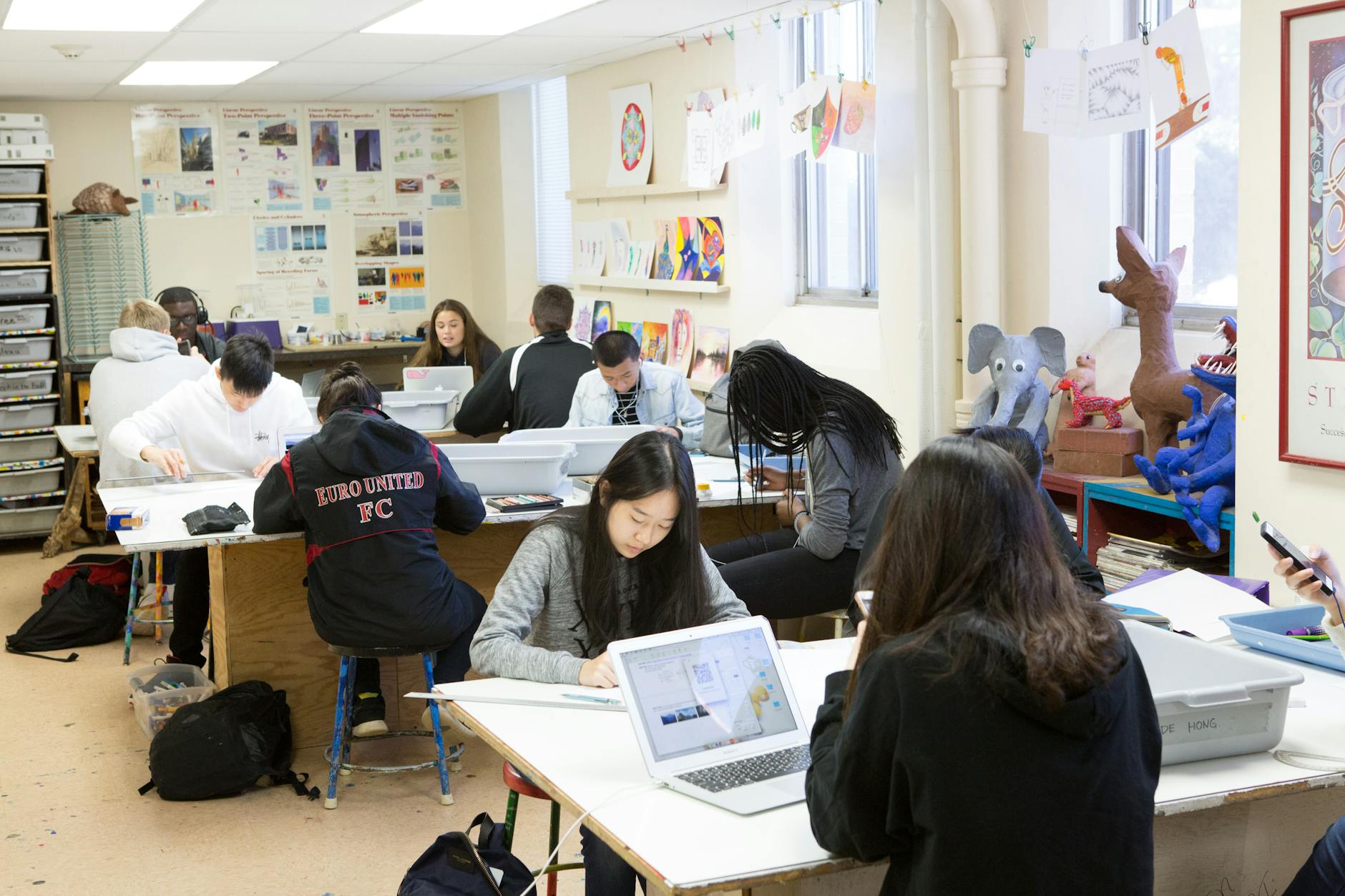
Throughout the course you will work in a studio environment that mirrors professional practice. Group projects bring together animators, designers, and sound specialists to produce short films, title sequences, or experimental pieces. You will take on defined roles, such as director, animator, storyboard artist, or editor, and learn how to plan schedules, share assets, and give and receive constructive feedback. Typical collaborative assignments include a short film produced by a small team, a character reel showcasing the work of multiple animators, or a themed anthology of very short experimental animations. These projects help you build teamwork, communication, and problem-solving skills that are essential in the animation industry.
Assignments and Independent Projects
Across the course you will complete a varied portfolio of work. This usually includes short character animation tests, storyboards and animatics, design sheets, a short narrative film, a character performance reel, and at least one experimental or mixed-media piece. As you progress, you will have increasing freedom to define your own independent projects, supported by one-to-one tutorials and group critiques. You will learn how to plan a project from concept to final delivery, manage your time, and present your work professionally to tutors, peers, and potential employers.
Specialist Facilities and Software
Students have access to dedicated animation studios, computer labs equipped with industry-standard software, and specialist facilities such as drawing studios, sound recording booths, and small-scale shooting spaces for stop-motion or mixed-media work. You will use professional tools for 2D and 3D animation, compositing, editing, and sound design, supported by technical staff who can help you solve practical problems. Regular access to these facilities allows you to experiment, refine your skills, and produce work that reflects current industry expectations, giving you a strong foundation when comparing courses and planning your future career.
Careers, Industry Links & Graduate Outcomes
Graduates from our Animation course progress into a wide range of creative roles across film, television, games, advertising and emerging media. Many become 2D and 3D animators, bringing characters and worlds to life for studios, agencies and independent productions. Others specialise as character designers, storyboard artists or motion graphics designers, shaping visual narratives for brands, broadcasters and digital platforms. You can also move into games and VFX roles, illustration, and broader creative media careers, including pre‑production, concept art and visual development.
Throughout the course you will build a professional portfolio and showreel that clearly demonstrates your skills, creative voice and technical range. From first year onwards, projects are structured to mirror industry briefs, helping you develop work that is relevant, polished and ready to share with employers. You will receive guidance on curating your best pieces, presenting work online, and tailoring your portfolio for different roles, whether you are targeting animation studios, games companies, VFX houses or freelance opportunities.
Our strong industry connections are central to your learning experience. We regularly invite guest lecturers from animation studios, games developers, VFX companies and independent practices to share current workflows, pipelines and career insights. Students often work on live briefs set by external partners, gaining experience of real‑world expectations, feedback cycles and deadlines. Where possible, we support placements and internships, and encourage students to submit work to festivals and competitions, helping you gain visibility and build confidence in your practice.
Employability is embedded throughout the course. You will develop transferable skills such as collaboration, communication, time management, problem‑solving and critical reflection, all of which are highly valued by employers. Dedicated sessions on CVs, showreels, online portfolios, pitching and self‑promotion prepare you for both studio employment and freelance careers. You will learn how to respond to feedback professionally, work effectively in teams that mirror studio environments, and manage projects from concept to final delivery.
Networking opportunities are a key part of your experience. You will meet visiting professionals, alumni and studio representatives through talks, portfolio reviews, masterclasses and industry events. Group projects and cross‑disciplinary collaborations help you build a peer network that often continues into professional life. By the time you graduate, you will have a clearer understanding of how the industry operates, who the key players are, and how to approach them with confidence and professionalism.
Studying Animation in Bristol offers particular advantages. The city has a vibrant animation, games and media scene, with a mix of established studios, independent creators and cultural organisations. Its festivals, screenings and creative hubs provide regular chances to see new work, meet practitioners and discover emerging trends. Being based in such an active creative community means you are never far from potential collaborators, mentors or employers, and you can begin building your professional network while you study, not just after you graduate.